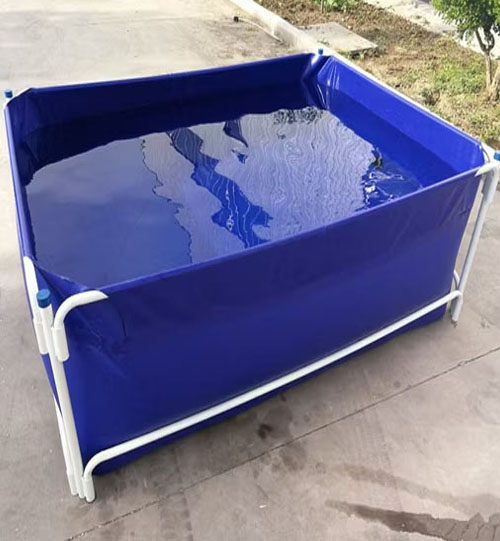
Fish farming (aquaculture) involves several key steps:
- Species selection: Choosing the fish to raise (tilapia, carp, etc.).
- Site preparation: Construction or development of a pond or basin.
- Stocking: Introducing fry (young fish) into the pond.
- Feeding: Providing suitable food to promote growth.
- Water management: Controlling water quality (pH, oxygen, etc.).
- Growth and maintenance: Monitoring fish health and maintaining the site.
- Harvesting: Catching fish of marketable size.
- Marketing: Selling fresh, smoked, or processed fish.
Success depends on: Water quality, balanced feed, and health management.
Summary of the Fish Farming Process in an Artificial Pond :
- Pond Construction: Creation of a watertight pond with a water system.
- Preparation: Cleaning, disinfection, and fertilization if necessary.
- Fry Stocking: Introduction of fry (young fish).
- Feeding: Feeding with appropriate food for growth.
- Water Management: Quality control (pH, oxygen, temperature).
- Monitoring: Fish health and disease prevention.
- Harvesting: Catching fish of marketable size.
- Marketing: Sale of fresh or processed fish.
Keys to Success: Water quality, balanced feed, and health management.