Fish food
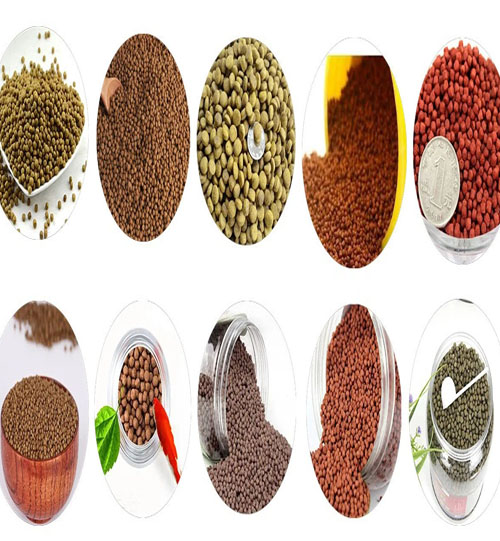
The fish feed production and distribution process is as follows:
- Ingredient Selection: Choosing raw materials (fish, grains, oils, etc.).
- Formulation: Creating a recipe tailored to the nutritional needs of fish.
- Mixing and Grinding: Preparing the mixture.
- Granulation or Extrusion: Shaping the pellets or floating particles.
- Drying and Cooling: Stabilizing the feed.
- Packaging: Packaging for distribution.
- Storage and Transport: Delivery to fish farmers.
- Distribution: Selling to fish farmers and aquaculture operators.
Keys to Success: Nutritional quality, palatability, and food safety.
Fresh fish
The production and distribution process for fresh or preserved fish is as follows:
- Fishing or Farming: Catching or harvesting fish.
- Processing: Cleaning, preparation, and transformation (fresh, frozen, smoked, canned, etc.).
- Preservation: Refrigeration, freezing, salting, smoking, or canning.
- Packaging: Protection for transport.
- Transport: Delivery to local or international markets.
- Distribution: Sale to retailers, wholesalers, or directly to consumers.
- Sale: Offering to consumers in fish shops, supermarkets, or restaurants.
Keys to success: Quality, freshness, and adapting to consumer needs.